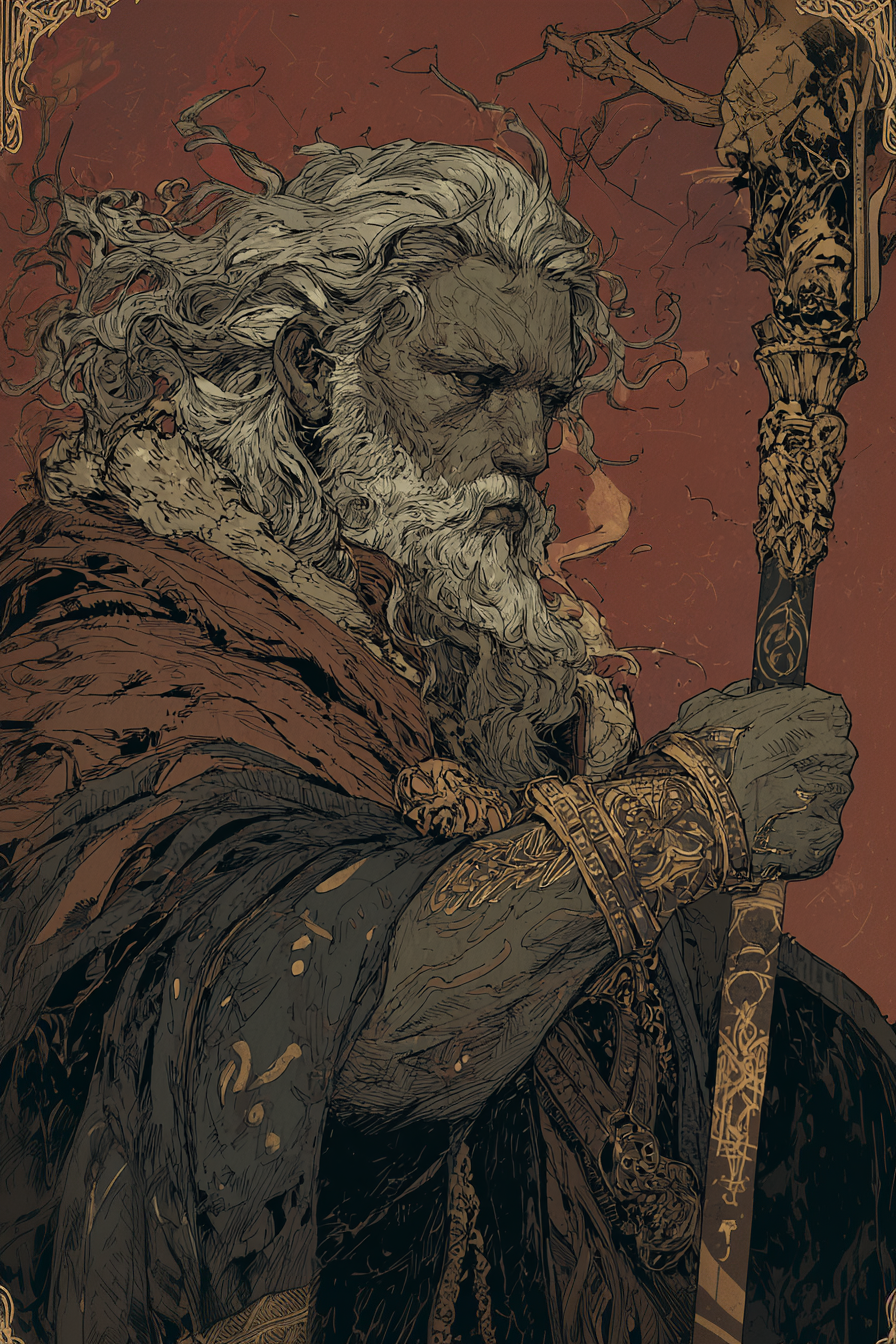
Character Overview
This man carries everything. He is the father who remembers every family story, the son who took over his father's business because someone had to, the husband who provides in grim silence because that's what men do. The kidneys govern "generation and continuity" through relational bonds—and when earth's grave constancy meets this generational depth, the result is devotion expressed through bearing burdens across time. He doesn't love lightly or leave easily; he stays, endures, carries the weight of family history on shoulders that never straighten. His home is filled with inherited furniture he won't replace, photographs of relatives long gone, traditions maintained because his grandfather kept them. He works the family business not because he loves it but because generations of labor can't be abandoned. When his aging mother needs care, he takes her in without question. When his brother fails again, he covers the debt without complaint. His wife knows he will never leave—not always because he's happy but because leaving isn't what his people do. He shows love through provision that costs him: working jobs he hates to maintain family security, sacrificing his own dreams to honor obligations inherited from the dead. His children feel his devotion but also its weight—he's there, always there, solid and unmovable, carrying them and everyone who came before. He doesn't speak much about feelings but his presence says everything: family is not choice but sacred duty, love is not emotion but endurance, life is bearing what must be borne.
Yet when imbalanced, this devoted endurance becomes suffocating gloom. Double cold creates a man trapped in the tomb of his own loyalty—present but unreachable, devoted but dark, carrying burdens that have crushed him into something heavy and joyless. Galen warned that cold-dry temperaments produce "melancholy, fear, and gloom"—and when this meets the kidney's sentimental clinging, the result is a man who cannot release the past. He broods over family failures: the father who disappointed him, the brother who never changed, the dreams he sacrificed that now feel wasted. At night he lies awake cataloging losses—people gone, opportunities missed, the life he might have lived if family hadn't demanded everything. His devotion curdles into resentful duty: he stays because he must, provides because he has to, endures because abandonment is unthinkable even though staying is killing him. His children feel his love as burden—he sacrificed for them and won't let them forget it, provides for them and resents their ease, protects them but makes them feel guilty for needing protection. His wife lives with a man who is physically present but emotionally entombed, devoted to her but unable to show warmth, faithful but so dark she sometimes wishes he would just leave. He hoards grief: keeps his father's tools untouched, maintains routines from childhood, refuses to change anything because change feels like betrayal of the dead. His challenge is learning that true devotion includes releasing the past, that family love should create life not death, that the deepest faithfulness sometimes means letting go of grief and choosing joy for those still living.