Character Overview
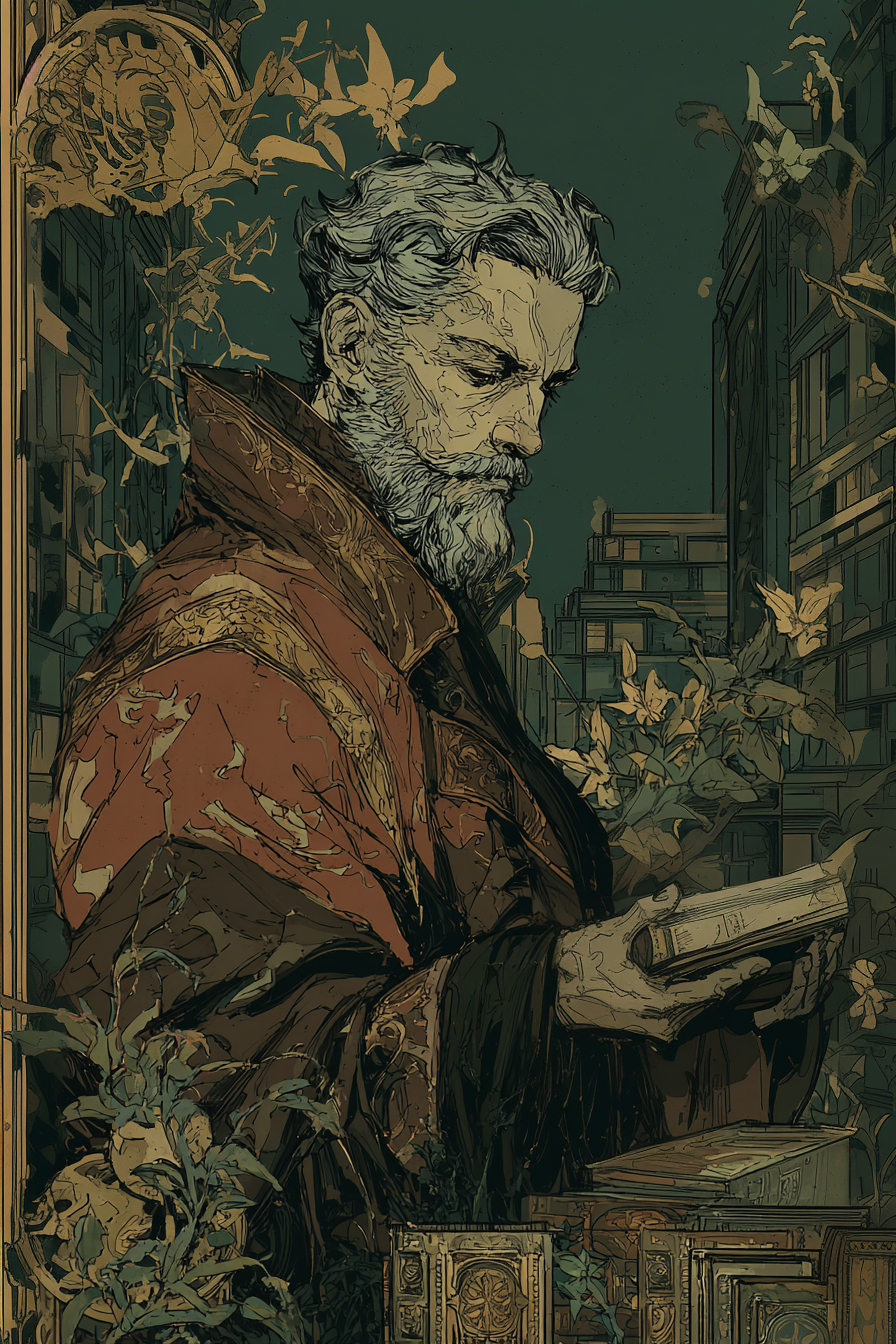
This man remembers everything. He is the colleague who can recall the exact date of a meeting three years ago, the friend who brings up details from conversations you've forgotten, the husband who knows every story his wife has ever told him and when she told it. Avicenna taught that "the brain is the storehouse of the imaginative, retentive, and cogitative faculties"—and when earth's methodical discipline meets this capacity, the result is systematic preservation of knowledge. He doesn't just remember; he organizes what he knows. His home office is lined with carefully labeled notebooks: journals dating back decades, research files sorted by topic, reference materials indexed and cross-referenced. He reads voraciously and takes meticulous notes, creating systems that allow him to retrieve any piece of information he's encountered. At work, he's the institutional memory—knows where old files are stored, remembers precedents from years past, can trace the history of any decision. When his children ask about their family history, he doesn't just tell stories; he produces documents, photographs, timelines he's compiled. His wife appreciates how he notices patterns she misses, remembers important dates without being reminded, references things she mentioned months ago. He shows love through careful attention: he listens with focus that makes people feel heard, asks follow-up questions that prove he was paying attention last time, builds detailed understanding of what matters to those he cares about. His presence is steady and thoughtful. People come to him when they need to understand how something came to be, when they need context that only memory can provide.
Yet when imbalanced, this careful preservation becomes obsessive hoarding. Double cold creates a man who collects information compulsively but never uses it—drowning in data he can't synthesize, buried under knowledge he won't share. His office becomes a tomb of unread books, filing cabinets full of articles he might need someday, hard drives of research he's never organized. Galen warned that brain-dominant types risk "overthinking, hesitation, and fear"—and earth's melancholic tendency ensures every decision requires consulting more sources, gathering more data, waiting until he knows enough to be certain. But certainty never comes. He spends evenings researching topics obsessively: health conditions after minor symptoms, financial strategies he never implements, historical events with no practical relevance. His wife tries to discuss their child's struggling grades and he disappears into research on educational theories rather than actually talking to the teacher. When stressed, he retreats further into his archives—reorganizing files, re-indexing notes, finding comfort in the past rather than engaging the present. His memory becomes a prison: he catalogs every slight, every failure, every moment of embarrassment, replaying them in meticulous detail during sleepless nights. He uses his knowledge to avoid risk—"I read a study about that," "The historical precedent suggests," "The data isn't conclusive"—wielding information as shield against action. His children learn not to ask him questions because answers become lectures full of tangents and excessive detail. His precise memory for what his wife said months ago becomes weapon: "But you told me in March that..." catching contradictions rather than understanding how she's grown. His challenge is learning that knowledge exists to serve life not replace it, that wisdom means using information not just accumulating it, that the deepest understanding comes from living, not archiving.